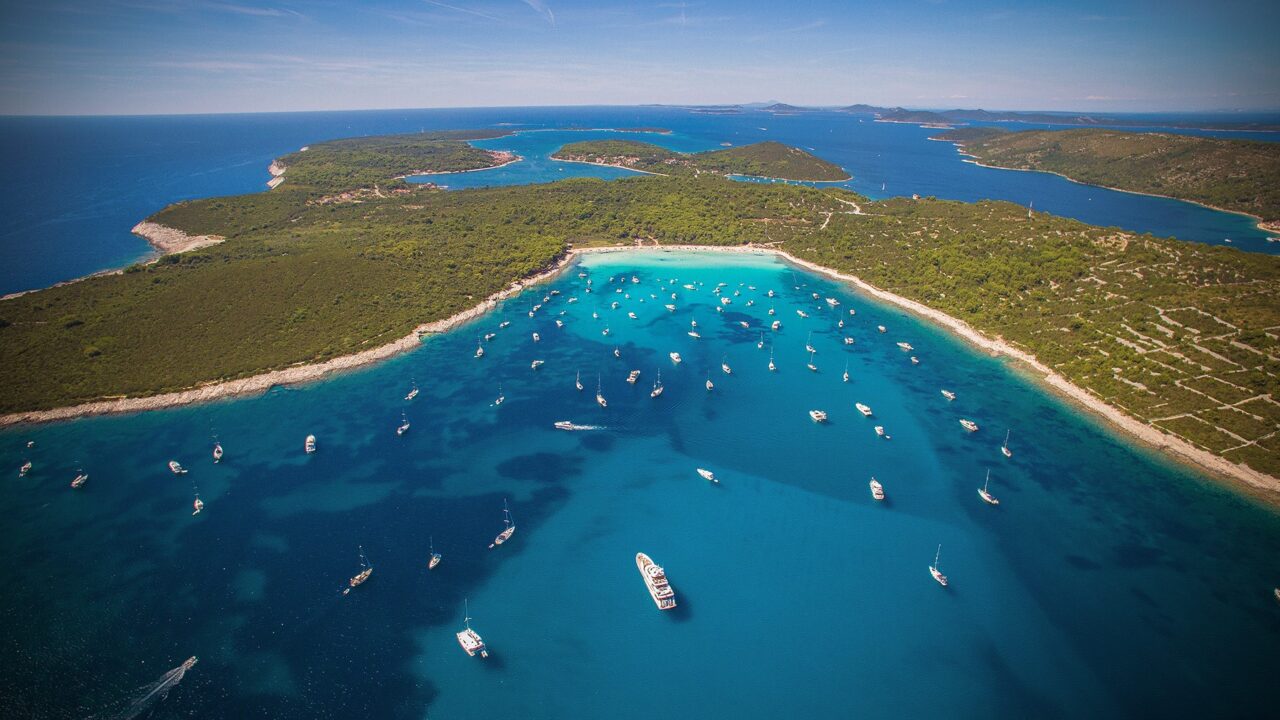
Understanding the yacht check in procedure croatia is essential for a smooth start to your charter vacation. After managing hundreds of check-ins at marinas throughout Croatia, I know that proper preparation makes the difference between a stressful arrival and seamlessly beginning your Adriatic adventure. The check-in process typically takes 2-3 hours and involves detailed yacht inspections, documentation review, and comprehensive briefings about your vessel and Croatian waters.
In This Guide
Complete Yacht Check In Procedure Croatia
The yacht check in procedure croatia begins the moment you arrive at your departure marina, whether that’s ACI Split, Marina Frapa in Rogoznica, or D-Marin Mandalina in Šibenik. I recommend arriving between 4:00 PM and 6:00 PM on your check-in day, as this allows sufficient time for the complete procedure without rushing through important safety briefings. Saturday check-ins during July and August can be particularly busy, so arriving exactly at your scheduled time is crucial.
Your first step involves locating the charter company’s desk or representative at the marina reception. At larger marinas like ACI Split, charter companies typically have dedicated offices, while smaller bases may operate from the marina office itself. Bring all your documentation in a folder, as you’ll need to present multiple documents before boarding the yacht. The marina environment can be hectic during peak season, with dozens of charters checking in simultaneously.
Weather conditions often affect the check-in timeline, particularly when the afternoon Maestral wind picks up around 1:00 PM and strengthens throughout the day. If winds exceed 20 knots, some technical demonstrations may be postponed until the following morning for safety reasons. This is especially common at exposed marinas like Marina Kornati in Biograd, where strong Maestral winds can make maneuvering demonstrations challenging.
Charter Check In Documentation Requirements
The charter check in process begins with thorough document verification, and missing paperwork can delay your departure by hours or even days. I’ve seen clients arrive without proper licensing documentation, forcing last-minute scrambles to contact authorities or arrange temporary permits. Your skipper must present an International Certificate of Competence (ICC) or equivalent national license, along with a VHF radio operator’s license for Croatian waters.
Croatian authorities require specific documentation for charter yachts, including your booking confirmation, insurance policy details, and a complete crew list with passport information. The crew list must include full names exactly as they appear on passports, passport numbers, and nationalities. Any discrepancies between booking documents and actual crew can trigger additional paperwork and potential delays.
Security deposits are typically handled via credit card authorization, with amounts ranging from €2,000 for smaller motor yachts to €10,000 or more for luxury vessels. The authorization is placed on your card immediately, so ensure you have sufficient credit limit available. Some clients prefer to use multiple cards to avoid blocking their entire credit limit, which I recommend for longer charters or larger groups.
Additional Documentation for Non-EU Citizens
Non-EU passport holders may require additional documentation, particularly if staying longer than 90 days within a 180-day period. While yacht charters typically fall within tourist visa requirements, I always recommend confirming current regulations with Croatian embassy officials before departure. Brexit has created additional considerations for UK citizens, who now fall under third-country national rules.
What to Expect at Marina During Check-In
Understanding what to expect at marina facilities helps manage your arrival timeline and reduces stress during the busy check-in period. Croatian marinas operate with different levels of service and infrastructure, from basic facilities at smaller harbors to five-star amenities at premium locations like Marina Frapa. The check-in area typically includes a reception desk, small chandlery, and often a café or restaurant where you can wait if your yacht isn’t quite ready.
Marina infrastructure varies significantly between locations, with older facilities like ACI Split offering basic but functional services, while newer developments like D-Marin Mandalina provide modern floating pontoons with individual water and electricity connections. Parking availability becomes critical during peak season, particularly at popular departure points where spaces fill quickly by mid-afternoon. I always advise clients to plan for potential parking fees ranging from €10-25 per day.
Fuel dock procedures require attention, as most marinas require fuel receipts for charter documentation. If your yacht needs refueling before departure, this typically happens after the technical briefing but before final departure clearance. Fuel costs have increased significantly in recent years; your actual fuel spend depends on the yacht, your itinerary and cruising speed — see current pricing per yacht on our charter fleet.
Marina Services and Amenities
Modern Croatian marinas offer comprehensive services including 24-hour security, WiFi connectivity, laundry facilities, and provisioning services. Marina Kornati provides an excellent example of full-service facilities, with an on-site grocery store, restaurant, and yacht chandlery. However, smaller marinas may close certain services by 6:00 PM, so arriving early ensures access to any last-minute provisions or technical supplies you might need.
Charter Handover Process and Inspection
The charter handover represents the most critical phase of your check-in, where responsibility for the yacht officially transfers from the charter company to your crew. This process involves a thorough inspection of the yacht’s condition, documentation of any existing damage, and verification that all systems function properly. I conduct these handovers personally for our premium vessels, ensuring nothing is overlooked that could cause problems during your charter.
Hull and exterior inspection begins at the waterline, checking for any scratches, dents, or damage to gel coat, railings, and deck equipment. We photograph any existing damage using tablets or smartphones, with you present to acknowledge each item. This documentation protects both parties and ensures you won’t be charged for pre-existing issues upon return. Pay particular attention to anchor systems, swim platforms, and tender lifting mechanisms, as these components see heavy use throughout the season.
Interior inspection covers every cabin, head, and common area, checking furniture condition, electronics functionality, and cleanliness standards. I’ve learned that involving the entire crew in this inspection prevents later disputes about damage responsibility. Test all lights, air conditioning units, entertainment systems, and galley appliances during this phase. Any issues discovered now can be addressed before departure, rather than discovering problems while anchored off Vis Island.
Planning your yacht check in procedure croatia itinerary?
How long does the handover inspection take?
Complete handover inspections typically require 45-60 minutes for motor yachts up to 60 feet, extending to 90 minutes or more for larger vessels with complex systems. The timeline depends on yacht size, equipment complexity, and crew experience level. First-time charterers naturally require more detailed explanations, while experienced crews can move through familiar systems more quickly.
Technical Briefing and Systems Overview
Technical briefing forms the foundation of safe yacht operation, covering everything from engine management to emergency procedures specific to your vessel and Croatian waters. I customize these briefings based on the skipper’s experience and the specific yacht’s systems, spending extra time on unique features or recently updated equipment. Modern motor yachts feature increasingly complex systems that require proper understanding for trouble-free operation.
Engine and propulsion systems briefing covers startup procedures, monitoring parameters, and emergency shutdown protocols. Most charter yachts in Croatia feature twin diesel engines with electronic controls, but specific procedures vary between manufacturers like Volvo Penta, Caterpillar, and MAN. I always demonstrate the proper warm-up sequence, optimal cruising RPM ranges, and cooling system monitoring. Understanding your engines prevents costly breakdowns and ensures efficient fuel consumption during your charter.
Electrical systems overview includes shore power connection, generator operation, battery management, and inverter systems. Modern yachts feature sophisticated battery monitoring systems that require basic understanding to avoid power issues while at anchor. I explain the relationship between battery banks, charging systems, and high-consumption equipment like air conditioning and watermakers. Proper electrical management extends your anchoring capabilities and prevents uncomfortable nights without power.
Navigation and communication equipment briefing covers GPS chartplotters, radar systems, VHF radio operation, and electronic chart management. Croatian waters require specific chart coverage, and I ensure you understand how to access detailed charts for areas like the Kornati National Park channels or approaches to smaller islands like Lastovo. VHF radio protocols in Croatian waters follow international standards, but knowing local emergency frequencies and marina contact channels proves essential.
Water Systems and Waste Management
Fresh water and waste water systems require careful management during extended anchoring periods common in Croatian cruising. I explain tank capacities, water consumption guidelines, and pump-out procedures required in protected areas like national parks. Understanding these systems prevents unpleasant surprises when anchored in remote bays with limited services.
Photo Gallery


Inventory and Safety Equipment Verification
Safety equipment verification ensures your yacht complies with Croatian maritime regulations and provides adequate protection for your planned cruising area. Croatian authorities conduct random safety inspections, particularly around national parks and busy harbors like Hvar town, so complete and accessible safety equipment is mandatory. I personally check every life jacket, flare, and fire extinguisher during handover, ensuring expiration dates and proper storage.
Life jackets must be available for every person aboard, with infant and child sizes if needed for your crew composition. Croatian regulations require specific life jacket standards, and I verify that all jackets meet current certification requirements. Automatic inflation life jackets require annual service, and I show you how to check service dates and manual inflation procedures. Additional safety equipment includes life rings, safety harnesses for deck work, and emergency signaling devices.
Fire safety equipment includes properly maintained fire extinguishers, fire blankets in the galley, and smoke detectors throughout accommodation areas. I demonstrate the operation of different extinguisher types and their appropriate applications for electrical, fuel, or galley fires. Fire blanket location and usage receive special attention, as galley fires represent the most common onboard emergency. Emergency fuel and electrical shutoffs are explained and tested during this briefing.
Navigation safety equipment verification covers emergency flares, emergency position indicating beacons (EPIRB), and backup navigation systems. Modern yachts feature integrated navigation systems, but I ensure you have backup GPS units, paper charts for your planned cruising area, and emergency communication equipment. Weather monitoring capabilities receive attention, as afternoon storms can develop quickly in the Adriatic during summer months.
What happens if safety equipment is missing or expired?
Missing or expired safety equipment delays departure until replacements are obtained and properly installed. Croatian chandleries stock standard safety equipment, but specialized items may require ordering from Split or Rijeka suppliers. I maintain relationships with local suppliers to expedite emergency equipment replacement, but this can still add 4-6 hours to your departure timeline during busy periods.
Departure Clearance and Final Procedures
Departure clearance involves final documentation review, marina checkout procedures, and official handover completion. Croatian marinas require checkout procedures that include settling any additional charges, returning marina access cards, and confirming your planned departure time. Peak season departures from major marinas like ACI Split are scheduled in 30-minute intervals to manage traffic flow through narrow marina entrances.
Final walkthrough with the charter representative ensures all handover items are completed and any last-minute questions are addressed. This is your opportunity to clarify navigation routes, confirm emergency contact procedures, and review any weather considerations for your first day’s cruising. I provide detailed contact information for 24-hour technical support and local agent contacts throughout Croatia.
Marina departure procedures vary by location, with some requiring escort through narrow channels or assistance with complex maneuvering areas. Charter Croatia operations during peak season coordinate departures to prevent congestion at fuel docks and harbor entrances. Understanding your marina’s specific departure procedures prevents delays and potential damage during the busy Saturday changeover period.
Weather Considerations for Departure
Weather conditions significantly influence departure timing and initial route planning, particularly during periods when the Bura wind affects the northern Adriatic or strong Maestral winds create challenging conditions along the central coast. I provide current weather forecasting resources and explain how to interpret local weather patterns that affect overnight anchorage selection and passage planning.
Frequently Asked Questions
How long does the yacht check in procedure take in Croatia?
The complete yacht check in procedure croatia typically requires 2-3 hours from arrival at the marina to final departure clearance. This includes 30 minutes for documentation review, 45-60 minutes for yacht inspection and handover, 45 minutes for technical briefing, and 15-30 minutes for final clearance procedures. Peak season check-ins may take longer due to marina congestion and multiple simultaneous handovers.
What documents are required for charter check in Croatia?
Required documentation includes valid skipper licenses (ICC or equivalent), VHF radio operator license, booking confirmation, comprehensive crew list with passport details, and valid insurance coverage. Non-EU citizens should verify current visa requirements, and all documents must match exactly with booking information. Security deposit authorization requires a credit card with sufficient available limit.
Can I check in if weather conditions are poor?
Poor weather conditions may modify but not prevent check-in procedures, with some technical demonstrations postponed until conditions improve. High winds above 25 knots may delay departure until the following morning for safety reasons. Marina facilities remain accessible in most weather conditions, allowing documentation and interior briefings to proceed normally while postponing sea trial demonstrations.
What happens if I arrive late for my scheduled check-in time?
Late arrivals can delay your entire check-in process and potentially affect departure timing, particularly during busy Saturday changeovers when multiple charters are scheduled consecutively. Most charter companies accommodate delays up to 2 hours, but arrivals after 7:00 PM may result in overnight stay requirements with departure the following morning. Always contact your charter company immediately if delays are anticipated.
Is there additional cost for the check-in procedure?
Standard check-in procedures are included in charter fees, but additional services like provisions delivery, extra briefing time for inexperienced crews, or specialized equipment demonstrations may incur additional charges. Marina fees, fuel costs, and any required equipment replacements represent separate expenses. Security deposits are temporarily authorized but not charged unless damage occurs during your charter period.
Theresa Babic
Charter Specialist at Splendid Yachting with 12+ years of experience in luxury yacht charters along the Croatian coast. Theresa specializes in crafting bespoke sailing itineraries for clients exploring the Adriatic, from the Kornati archipelago to the Dalmatian islands.
Proper preparation for your yacht check in procedure croatia ensures a smooth transition from arrival to beginning your charter adventure. Understanding each phase of the process, from documentation requirements to safety briefings, allows you to focus on enjoying your time aboard rather than managing administrative details. The Croatian yacht charter industry has refined these procedures over decades, creating standardized processes that protect both charter companies and clients while maintaining the highest safety standards.
The investment in thorough check-in procedures pays dividends throughout your charter, preventing technical issues, safety concerns, and operational problems that could otherwise interrupt your vacation. Modern charter yachts feature sophisticated systems that require proper understanding for optimal operation, and the briefing time spent during check-in provides the foundation for confident yacht handling in Croatian waters.
Weather patterns, marina procedures, and regulatory requirements in Croatia have developed specifically to support the yacht charter industry while protecting the marine environment and ensuring visitor safety. Following established check-in procedures demonstrates respect for local regulations and contributes to the sustainable development of yacht charter tourism throughout the Croatian coast. Your cooperation during these procedures helps maintain Croatia’s reputation as a premier yacht charter destination while ensuring your safety and enjoyment throughout your charter experience.
Professional charter management involves balancing efficiency with thoroughness, ensuring all necessary procedures are completed without unnecessarily extending your time away from enjoying Croatian waters. The systematic approach to yacht charter in Croatia has evolved through decades of experience, incorporating lessons learned and best practices that benefit every charter client. Investing time in proper check-in procedures creates the foundation for memorable experiences exploring the Adriatic’s most beautiful destinations.
Ready to Experience Croatia by Yacht?
Let Splendid Yachting plan your perfect Croatian yacht charter.